
My Pet World: When a dog starts guarding people and space
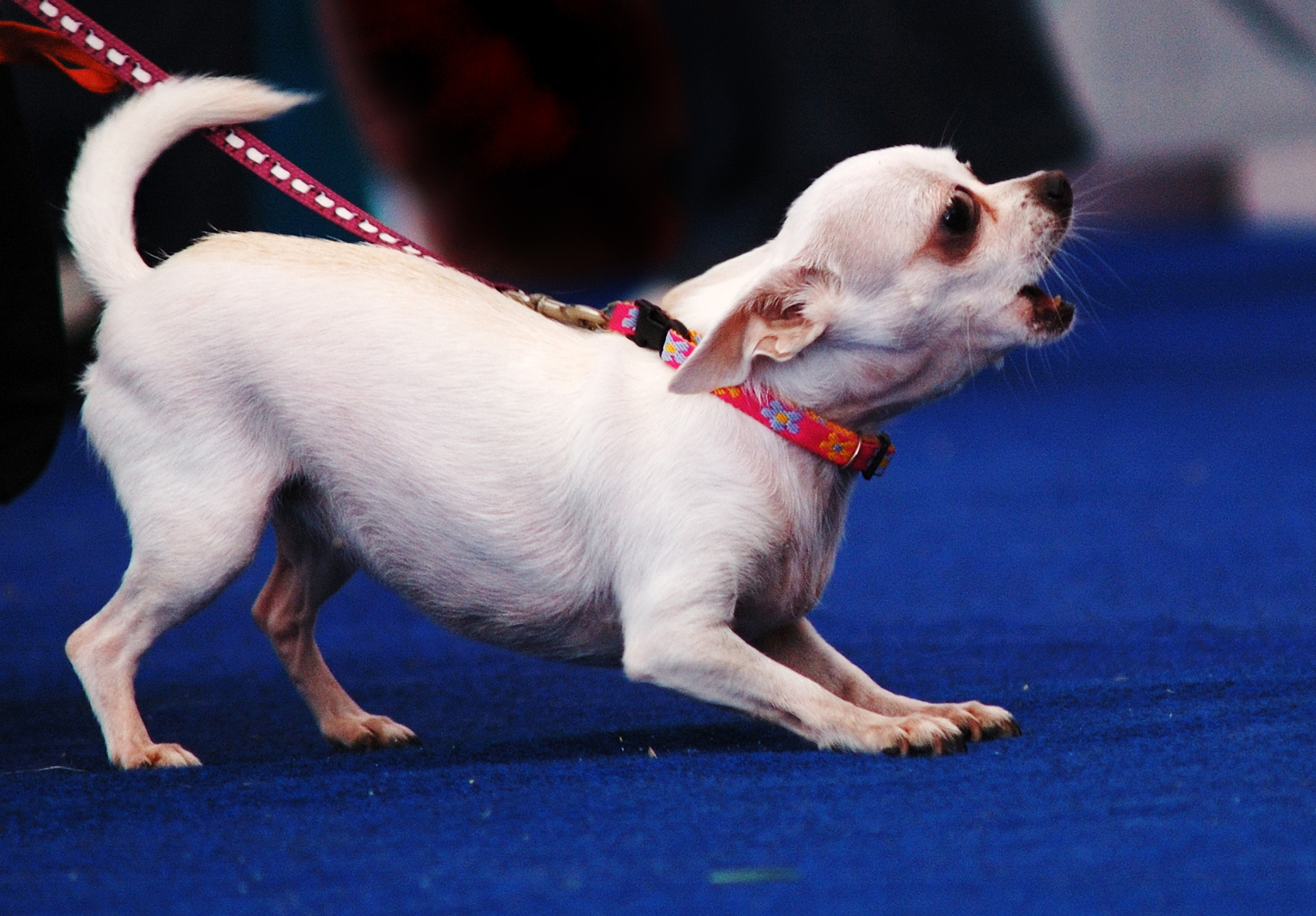



Five months ago, we adopted a two-year-old dog. My husband feeds her and walks her about three to four times a day. I accompany them on these walks once a day. We both play with her and love her.
Recently, she attacked our son’s dog for using her water bowl. He is a 16-year-old lab and did not have the energy to respond to her attack.
She also growls and barks at me if she is with my husband and I walk by the bedroom where they are. When I go to the bathroom at night, she growls and barks at me as I head back to bed.
How can this behavior be addressed? Is biting another dog like that normal?
– Deborah, Algonquin, Illinois
Dear Deborah,
While this behavior is concerning, it is also important to understand that it is communication, and it is not uncommon. Dogs growl, bark, and even escalate when they feel the need to protect something they value.
From what you describe, this sounds like resource guarding, which can include food, water, space, or even a person. The incident with your son’s dog near the bowls suggests she may be protecting those resources. She also appears to be guarding your husband, which is why you see the growling when you approach, especially in more confined or vulnerable settings like the bedroom or at night.
It’s important to take this seriously, but also to approach it calmly and thoughtfully. Management is your first step. Do not allow interactions with other dogs around food, water, or anything of value, including toys, treats, and chews. Always feed her separately in a quiet space and avoid situations where she feels the need to “defend” anything. If she is outside with another dog, keep her on leash or separate them when toys are involved.
It can also help to create more structure around valued spaces. Ask her to get off the bed or couch before you approach, rather than walking into a situation where she feels the need to guard it. Teaching her to move away on cue and giving her a consistent place to settle can reduce that sense of pressure.
With your husband, it can help to balance interactions, so she does not see him as something she needs to “protect.” Having you take part in feeding, walking, and other routines can help build a more shared relationship. Spending quiet time with her one-on-one can also help her feel more comfortable with you outside of those guarded moments.
Having said that, be sure she is confined in a crate or behind a baby gate at night so you are not walking into a situation where she feels the need to react while resting.
At the same time, begin gently changing the association she has when you approach. Instead of walking past and triggering a reaction, toss a small treat toward her as you enter the room or move nearby without making direct eye contact. Over time, this helps her learn that your presence predicts something positive rather than something to guard against.
Because this behavior involves both guarding and escalation, I would strongly recommend working with a qualified, positive reinforcement–based trainer. This is not something to correct or punish, as doing so can increase anxiety and make the behavior more intense. But it is important to address it early and reduce her need to guard.
Dear Cathy,
“Pup Pup” has been with me for close to two months and is a wonderful pet. She is five and just loves her new home. It is difficult getting her into the car, but when she settles down, she is happy to take the rides. Any suggestions?
– Mc, Kingman, Arizona
Dear Mc,
The hesitation is not unusual, especially for a dog who may not have had positive experiences with cars. Since she’s comfortable once inside, the goal is to make the “getting in” part feel just as safe and predictable.
Begin by taking the pressure off and letting her explore the car at her own pace. Leave the door open, sit nearby, and reward any interest, like when she looks at it, steps closer to it, or puts a paw inside – with a high-value treat. Gradually build from one step to the next: approach, pause, one paw up, then two, until she is comfortable climbing in.
Some dogs do better with a ramp or step if jumping feels uncertain. Keep the sessions short and positive, ending before she becomes hesitant. Over time, she should begin to associate the car with good things, and her willingness to get in should follow.
_____
_____
========
(Cathy M. Rosenthal is a longtime animal advocate, author, columnist and pet expert who has more than 25 years in the animal welfare field. Send your pet questions, stories and tips to cathy@petpundit.com. Please include your name, city, and state. You can follow her @cathymrosenthal.)
©2026 Tribune Content Agency, LLC.
(c) 2026 DISTRIBUTED BY TRIBUNE MEDIA SERVICES, INC.







Comments