Exposure to dry cleaning chemical, degreaser triples liver disease risk
Published in Health & Fitness
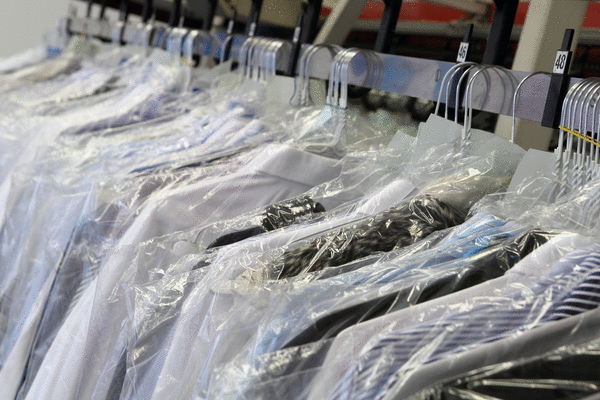
The chemicals connected to dry cleaning and certain degreasers can triple an individual’s risk of liver disease, research funded by the National Institute on Alcohol Abuse and Alcoholism found.
Polychloroethylene, or PCE, is a volatile compound connected to liver fibrosis, a stiffening of the organ crucial to digestion and removing toxic chemicals from the blood. About 7% of 1,641 American adults studied had detectable PCE levels in their blood, the researchers found.
“This study … underscores the underreported role environmental factors may play in liver health,” lead study author Brian Lee, a hepatologist and liver transplant specialist with Keck Medicine, told SciTechDaily.com. “The findings suggest that exposure to PCE may be the reason why one person develops liver disease while someone with the exact health and demographic profile does not.”
Exposure often happens among those who work in dry cleaning or customers who get their clothes dry cleaned more often, although contact can come from some industrial applications and spills that can contaminate groundwater. Decades of study into the negative health affects of PCE chemicals led the Environmental Protection Agency to initiate a 10-year phase-out of the chemicals for consumer use by December of 2026, and in dry cleaning by December of 2027.
©2026 The Baltimore Sun. Visit at baltimoresun.com. Distributed by Tribune Content Agency, LLC.









Comments