Tips on walking your dog in a city
Published in Cats & Dogs News
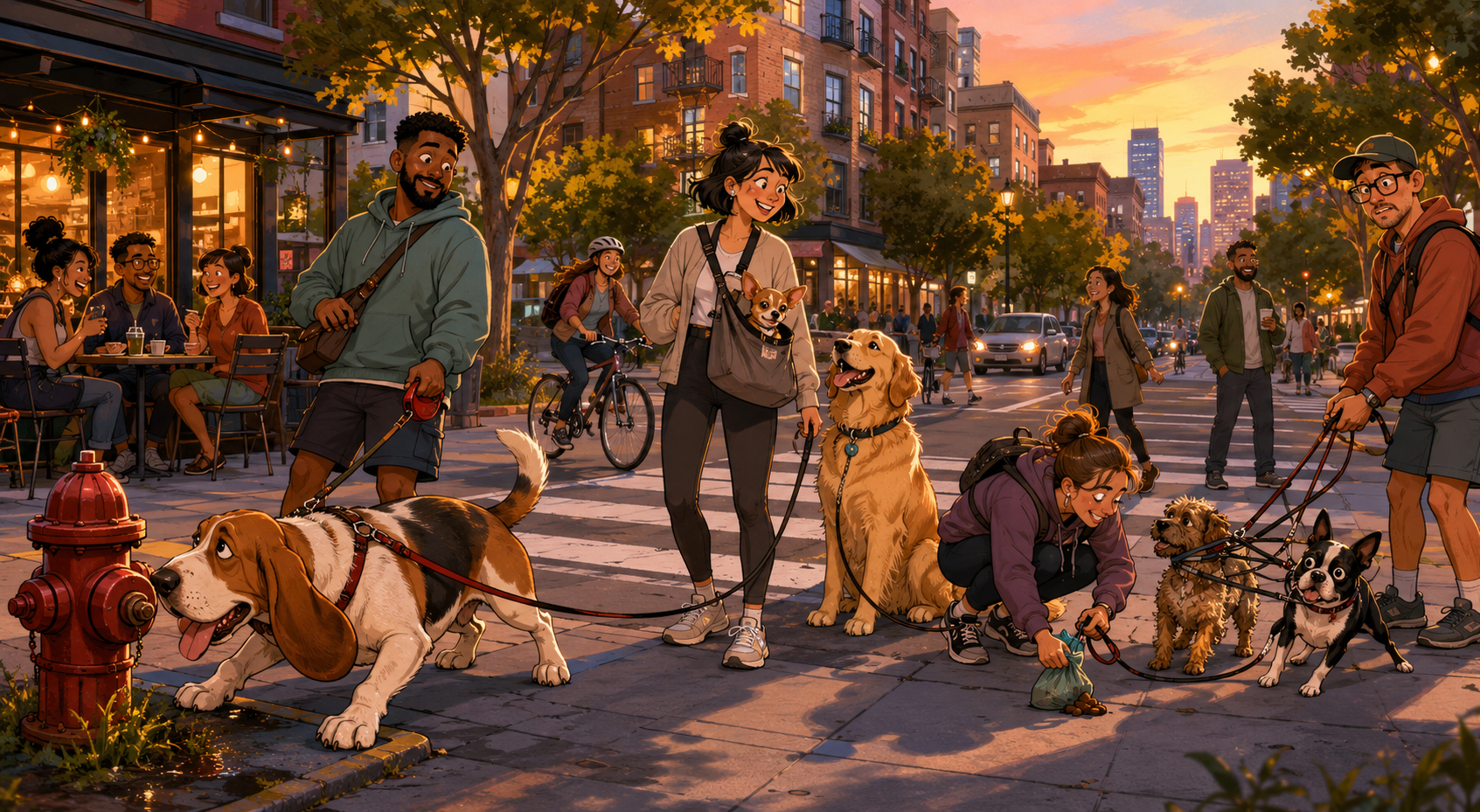
Walking a dog in a city can feel like a balancing act between navigation, training, exercise and diplomacy. Sidewalk crowds, traffic noise, bicycles, delivery carts and other dogs all compete for a pet’s attention, while owners juggle leashes, schedules and unpredictable weather. Yet urban dog owners say city walks can become one of the most rewarding parts of daily life when approached with patience and planning.
Professional trainers and veterinarians say successful city dog walking depends less on covering long distances and more on consistency, awareness and communication between dog and handler. Whether navigating dense downtown streets or quieter neighborhood blocks, preparation and routine can help reduce stress for both people and pets.
Start with the right equipment
City walks demand reliable gear. Trainers recommend a sturdy leash, a properly fitted harness or collar, identification tags and waste bags for every outing. Retractable leashes are often discouraged in dense urban settings because they reduce control near traffic, pedestrians and cyclists.
Reflective gear can help during early morning or evening walks, especially in neighborhoods with heavy traffic. Owners of small dogs may also consider harnesses with additional chest support, while larger dogs often benefit from front-clip harnesses that reduce pulling.
Comfort matters for owners as well. A secure grip, weather-appropriate clothing and shoes suited for long sidewalks can make daily walks easier and safer.
Teach loose-leash walking early
One of the biggest frustrations for city dog owners is leash pulling. Trainers say urban environments overload dogs with scents, sounds and movement, making structured leash training essential.
Loose-leash walking begins with rewarding calm behavior and stopping movement when a dog surges ahead. Consistency is critical. Dogs quickly learn whether pulling succeeds in reaching an interesting smell, another dog or a street corner.
Short training sessions often work better than marathon walks. Practicing in quieter areas before moving into busier streets can help dogs build confidence without becoming overwhelmed.
Experts also encourage owners to avoid turning walks into constant correction sessions. Dogs that receive praise, treats and calm guidance often become more attentive and relaxed over time.
Pay attention to the environment
City streets can change block by block. Construction zones, food carts, scooters, traffic congestion and crowded sidewalks all introduce potential hazards.
Veterinarians advise owners to scan ahead constantly. Hot pavement during summer months can burn paw pads, while winter salt and de-icing chemicals may irritate feet and skin. Broken glass, discarded food and litter can also pose risks.
Crosswalk etiquette matters as well. Trainers recommend keeping dogs close while crossing streets and avoiding allowing pets to stop abruptly in intersections or bike lanes.
Many urban dogs also experience stress from noise. Sirens, buses and sudden shouting may trigger fear reactions in sensitive animals. Calm reassurance and gradual exposure can help dogs adjust to city life over time.
Respect other people and dogs
Not everyone wants to interact with a dog, even a friendly one. Experienced city owners emphasize the importance of maintaining control and respecting personal space on crowded sidewalks.
Allowing a dog to jump on strangers, block walkways or rush toward other pets can quickly create tension. Trainers recommend asking permission before greetings and recognizing that some dogs may be reactive, elderly or in training.
Good urban dog citizenship also includes prompt waste cleanup and attention to apartment or neighborhood noise levels. Repeated barking in hallways or outside cafes can strain relationships with neighbors and businesses.
Owners who practice predictable, courteous walking habits often find their dogs become welcome regulars in local neighborhoods.
Understand your dog’s exercise needs
Not every dog needs a marathon walk. Breed, age, health and temperament all shape how much activity a dog requires.
High-energy breeds may benefit from structured games, training exercises or visits to dog parks in addition to regular walks. Older dogs may prefer slower strolls with frequent sniffing breaks. Many trainers note that mental stimulation can tire a dog as effectively as physical exertion.
Sniffing, exploring and observing the environment are important parts of canine enrichment. Rushing a dog through every walk without opportunities to investigate smells may leave some pets mentally unsatisfied.
Urban owners often find success by varying routes occasionally while maintaining predictable schedules. Familiar timing can reduce anxiety while new environments provide stimulation.
Prepare for weather and emergencies
City walks continue through heat waves, rainstorms and winter cold. Veterinarians recommend adjusting walk length and timing based on weather conditions.
During hot months, early morning and evening walks are safest. Dogs with short snouts, thick coats or underlying health conditions may overheat quickly on humid sidewalks.
Cold-weather walks require attention as well. Ice, snow and chemical treatments can injure paws, while smaller dogs may struggle with freezing temperatures.
Owners should also carry updated identification and know the location of nearby veterinary clinics. In dense cities, unexpected encounters with traffic, aggressive dogs or hazardous debris can happen quickly.
Some owners keep a small emergency kit attached to the leash, including water, wipes and backup waste bags.
Build routine and connection
Many dog owners say city walks eventually become less about exercise and more about rhythm and companionship.
Dogs often learn neighborhood routines intimately, recognizing favorite corners, familiar smells and regular human acquaintances. Owners, meanwhile, may discover that walking a dog encourages them to notice details they would otherwise miss: changing storefronts, seasonal weather, local wildlife and interactions with neighbors.
Trainers say that consistency builds confidence. Dogs who trust their owners to guide them calmly through busy environments often become more relaxed and adaptable.
Even difficult walks can improve with time, patience and repetition. What begins as chaotic leash tangles and overstimulation can gradually become a comfortable shared routine between dog and owner.
For many urban residents, the daily walk remains one of the few moments in modern life where phones are put away, schedules pause and attention shifts fully to another living creature moving through the world beside them.
========
Celia Harrow is a Virginia-based lifestyle and community writer who covers pets, home life and everyday routines in modern American neighborhoods. She has written extensively about the bonds between people and animals. This article was written, in part, utilizing AI tools.






Comments