Why Cats Purr: The Mystery, the Mechanism and the Meaning
Published in Cats & Dogs News
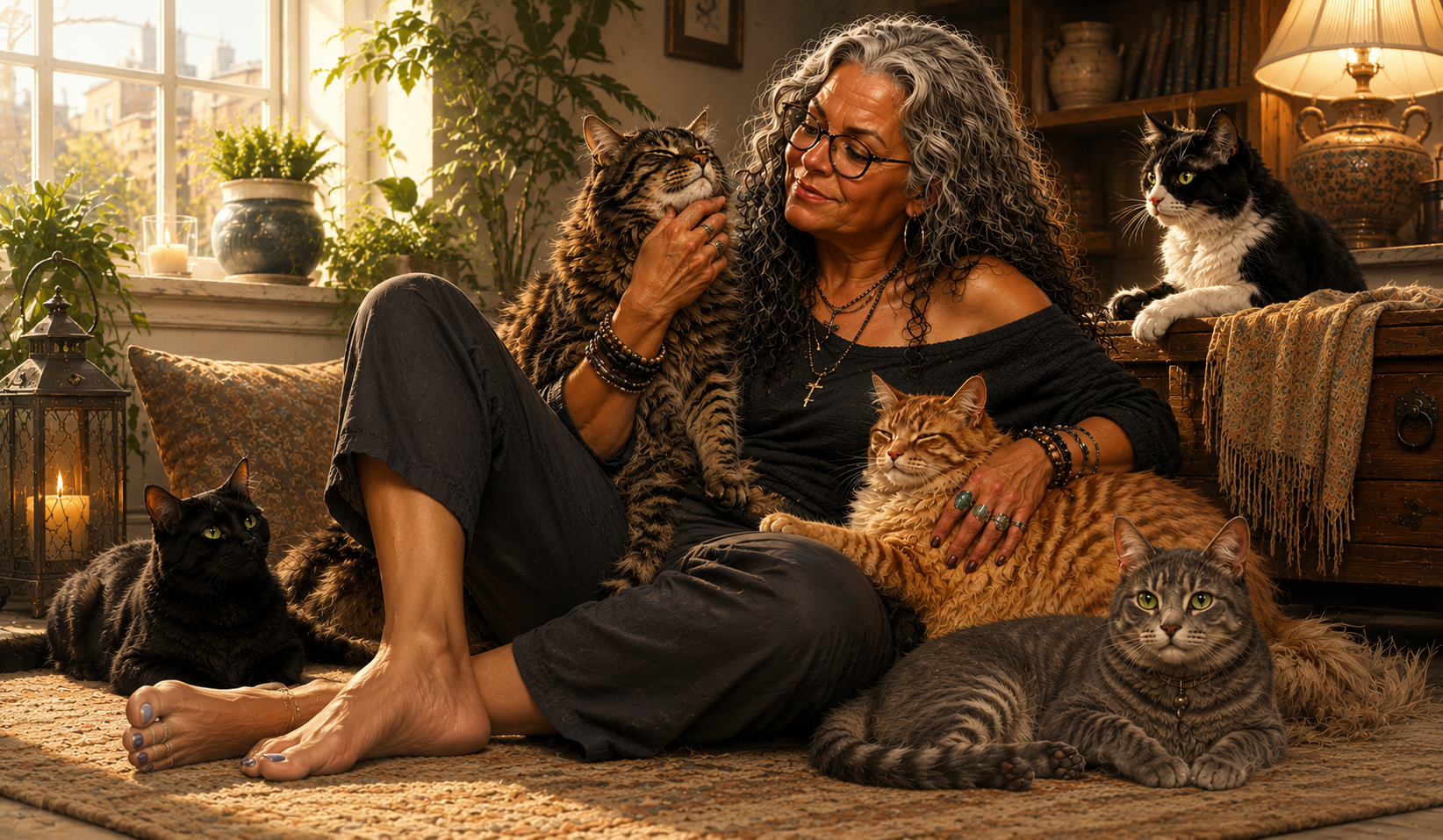
By all appearances, the house cat should not be one of humanity’s most emotionally effective animals. Cats can be aloof, stubborn and deeply unimpressed by the routines of human life. Yet millions of people describe the sound of a cat purring as one of the most comforting noises they know — a kind of living white noise that signals warmth, trust and calm.
Scientists have spent decades trying to understand exactly why cats purr, how they produce the sound and why humans respond to it so strongly. The answers involve anatomy, evolution, communication and perhaps even a bit of emotional co-evolution between cats and people.
What exactly is a purr?
A cat’s purr is a low, rhythmic vibration produced during both inhaling and exhaling. Unlike a meow, which is a deliberate vocalization aimed largely at humans, purring is more like a continuous physical process involving muscles, nerves and the larynx.
For years, researchers debated how cats generated the sound. The current understanding is that a cat’s brain sends repetitive neural signals to muscles in the larynx — the voice box. These muscles rapidly tighten and relax, causing the vocal folds to vibrate while air moves through them.
The result is the familiar rolling rumble associated with contented cats curled on laps and windowsills.
Domestic cats typically purr at frequencies between about 25 and 150 hertz. Interestingly, those frequencies overlap with ranges studied in physical therapy and tissue stimulation research, leading some scientists to speculate that purring may have healing benefits for cats themselves.
Why cats purr
Most people associate purring with happiness, and often that assumption is correct. A relaxed cat stretched across a couch, eyes half closed and paws kneading a blanket, is likely expressing comfort and security.
But cats also purr in situations that seem contradictory.
Veterinarians frequently hear purring from injured or frightened cats. Mother cats purr while nursing kittens. Some cats purr while dying. Researchers believe the sound serves multiple purposes depending on the situation.
One theory is that purring began as a communication system between mother cats and newborn kittens. Kittens are born blind and deaf, but they can feel vibration. Purring may help kittens locate their mother and reinforce bonding.
As cats evolved alongside humans, the behavior likely expanded into a broader social and emotional tool.
A contented purr may communicate: “I feel safe here.” A nervous purr may instead function as self-soothing — the feline equivalent of humming, rocking or nervous fidgeting in humans.
Some researchers believe purring may even help cats physically recover from stress or injury. Because cats spend long periods resting or sleeping, low-frequency vibrations associated with purring may help maintain muscle and bone health without extensive physical exertion.
That possibility remains under study, but it has helped fuel the enduring belief among cat owners that purring has a vaguely medicinal quality.
Why humans respond so strongly
Humans appear unusually susceptible to the emotional effect of purring.
Part of the reason may be purely sensory. The sound is soft, repetitive and low-frequency — acoustically similar to rainfall, distant thunder or certain relaxation machines. The vibration itself can also be physically calming when a cat lies against a person’s chest or lap.
But psychology likely plays an even bigger role.
A purring cat is signaling vulnerability and trust. Cats are predators, but they are also prey animals. When a cat curls up near a human and purrs openly, it is effectively announcing that it feels secure enough to let its guard down.
Humans are highly responsive to those signals.
Research has shown that interactions with pets can reduce stress hormones and lower blood pressure in some people. Cat owners often describe purring as grounding during periods of anxiety, grief or loneliness.
The emotional power of the sound may also come from its association with domestic peace. For many people, purring becomes linked to memories of home: reading on a couch, recovering from illness, waking up on a quiet weekend morning.
Unlike barking or birdsong, purring exists in intimate proximity. It is not a distant environmental sound. It happens beside you, often touching you.
The manipulative genius of cats
Cats may also have learned to use purring strategically.
Researchers studying feline behavior have identified what some call the “solicitation purr,” a modified purr containing a higher-frequency component similar to the cry of a human infant. Cats often use this sound when seeking food or attention.
Humans appear especially sensitive to it.
In studies, people rated solicitation purrs as more urgent and harder to ignore than ordinary purring. In other words, cats may have adapted their vocal behavior over thousands of years to better manipulate human caregiving instincts.
Cat owners are rarely surprised by this revelation.
Anyone who has been awakened at 5 a.m. by a loudly vibrating cat standing on their ribcage already understands that purring is not always entirely altruistic.
A relationship built on quiet companionship
Unlike dogs, which evolved alongside humans as cooperative hunters and workers, cats largely domesticated themselves. Early wildcats were attracted to rodent populations near human grain stores, and humans tolerated them because they controlled pests.
Over time, a mutually beneficial relationship emerged.
That history may explain why the emotional language of cats feels subtler than that of dogs. Cats do not usually seek constant engagement. Instead, they specialize in coexistence — quiet companionship punctuated by moments of surprising affection.
Purring may be the purest expression of that relationship.
It is not a command or a warning. It is simply presence made audible.
And for millions of people, especially in a noisy and anxious world, that low vibrating rumble continues to mean exactly what it has probably meant for thousands of years: you are safe, we are together, and for this moment everything is all right.
========
Celia Marrowe is a freelance feature writer focusing on animals, domestic life and human behavior. She writes frequently about the relationships people form with pets and the quiet rituals of everyday living. This article was written, in part, utilizing AI tools.








Comments